
Wear your Patagonia’s fleece, let’s start…
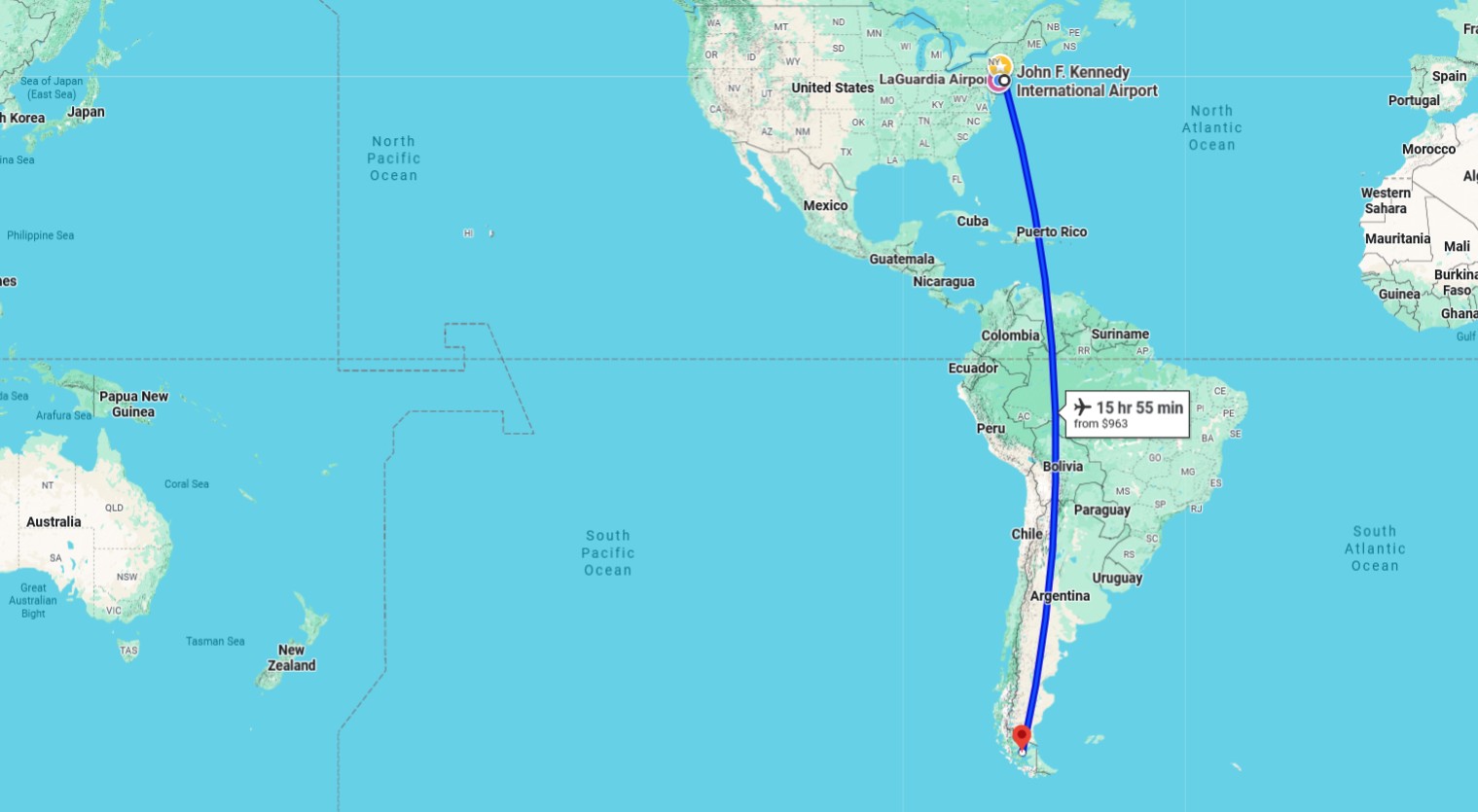
Patagonia and Antarctica offer breathtaking landscapes, unique wildlife, and unforgettable adventures, making them ideal destinations for travelers seeking natural beauty and exploration.
Overview of Patagonia and Antarctica
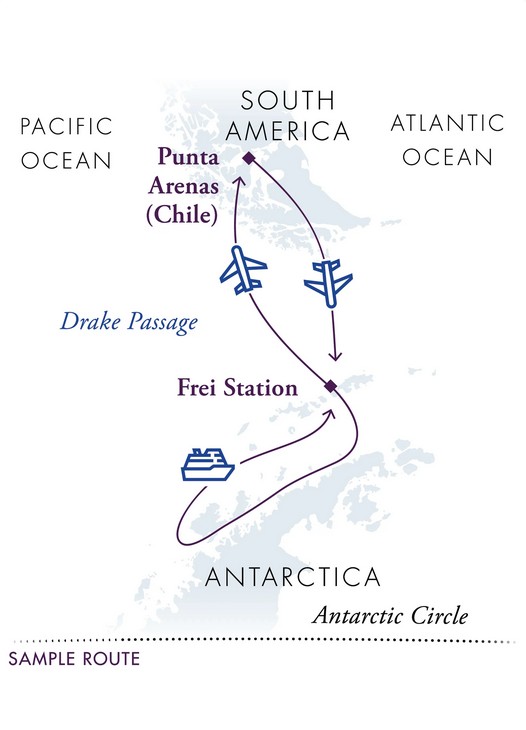
Patagonia, located at the southern end of South America, spans both Chile and Argentina, featuring stunning landscapes that include mountains, glaciers, and fjords. Antarctica, the southernmost continent, is known for its vast icebergs, unique wildlife, and pristine environments. Together, these regions create an extraordinary travel experience that combines adventure and natural beauty.
巴塔哥尼亚和南极洲拥有令人叹为观止的自然风光、独特的野生动物和令人难忘的探险体验,是寻求自然美景和探索之旅的旅行者的理想目的地。
巴塔哥尼亚和南极洲概览
巴塔哥尼亚位于南美洲南端,横跨智利和阿根廷,拥有令人惊叹的山脉、冰川和峡湾等景观。南极洲是南美洲最南端的大陆,以其巨大的冰山、独特的野生动物和原始环境而闻名。这些地区共同创造了一种兼具探险与自然美景的非凡旅行体验。
Each of those Torres del Paine locations (#1–#7) offers a very different kind of Patagonian beauty — from icy-blue lakes to wild grasslands and mountain reflections.
Here’s a detailed description of what views/scenery to expect at each stop, so you can prioritize based on your interests (mountains, waterfalls, reflections, wildlife, etc.) 👇
🏞️ 1. Laguna Amarga
- View: Bright turquoise salt lake surrounded by golden steppe.
- Highlight: On clear days, you get a mirror reflection of the Torres del Paine towers in the water — one of the park’s iconic postcard views.
- Wildlife: Often flamingos, guanacos, and sometimes foxes nearby.
- Feel: Quiet, open, and panoramic — great sunrise/sunset spot.
💦 2. Salto Grande (Waterfall)
- View: A powerful waterfall connecting Lago Nordenskjöld and Lago Pehoé, framed by the Cuernos del Paine (the “Horns”) mountains.
- Highlight: The contrast of milky-blue water and rugged black peaks — dramatic and photogenic.
- Walk: Gentle, 15–20 minutes, often very windy!
- Feel: Energetic, windy, roaring sound of water.
🌊 3. Cascada Río Paine
- View: A smaller but picturesque waterfall on the Río Paine, often with Torres del Paine peaks in the distance.
- Highlight: Good quick stop between Laguna Amarga and Laguna Azul.
- Feel: Peaceful and great for photos of flowing water against steppe landscape.
🏔️ 4. Mirador Cóndor
- View: One of the best panoramic views in Torres del Paine. From the top, you see Lago Pehoé, Lago Nordenskjöld, the Cuernos del Paine, and the entire massif.
- Highlight: Often condors soaring overhead (hence the name).
- Feel: Majestic, open-air vantage point; windy but unforgettable.
- Effort: 30–45 min uphill, but absolutely worth it if weather’s clear.
💧 5. Nordenskjöld Lake (Miradores)
- View: Long, blue-green glacial lake bordered by grassy slopes and backdropped by the Cuernos del Paine.
- Highlight: Roadside miradores give you a classic mountain-and-lake composition.
- Feel: Serene and vast, good for photos and quick stops.
💙 6. Lake Pehoé
- View: Intense turquoise water with Cuernos del Paine peaks reflected when calm.
- Highlight: Perhaps the most famous viewpoint in the park — you can walk to the small bridge to Hotel Lago Pehoé for the best composition.
- Feel: Iconic, dramatic, breathtakingly beautiful.
🌅 7. Laguna Azul
- View: Gentle blue lagoon framed by rolling hills, sometimes reflecting the Torres peaks from afar.
- Highlight: Excellent sunrise spot with fewer visitors.
- Wildlife: Guanacos, ducks, geese, sometimes flamingos.
- Feel: Peaceful, remote, more wildlife-oriented than dramatic mountain scenery.
🌟 Summary Table
| # | Place | Scenery Type | Signature View | Atmosphere |
|---|---|---|---|---|
| 1 | Laguna Amarga | Lake + Torres reflection | Towers mirrored in turquoise water | Calm, open |
| 2 | Salto Grande | Waterfall + mountains | Powerful falls, Cuernos backdrop | Windy, dramatic |
| 3 | Cascada Río Paine | Waterfall + steppe | Gentle falls with peaks behind | Quiet, photo stop |
| 4 | Mirador Cóndor | High viewpoint | Overlooks multiple lakes & peaks | Epic, windy |
| 5 | Nordenskjöld Lake | Glacial lake | Blue-green water, Cuernos | Serene, photogenic |
| 6 | Lake Pehoé | Iconic turquoise lake | Cuernos reflected in bright water | Legendary, stunning |
| 7 | Laguna Azul | Remote lake | Torres reflection (distant) | Peaceful, wildlife-rich |
Along the main driving route through Torres del Paine National Park, there are several easily reachable stops with excellent views of the famous “Torres” (the granite towers) and reliable wildlife-watching areas — all without long hikes.
Here’s a breakdown 👇
🗻 Best Spots for Viewing the Torres (the granite “towers”)
These are the peaks that gave the park its name — “Towers of Paine.”
1. Laguna Amarga
- View: One of the best roadside places to see the Torres clearly, especially on clear mornings.
- Why great: You can often get a mirror reflection of the towers in the lagoon — magical at sunrise.
- Access: Just off the main road near the park’s eastern entrance (Amarga gate).
- Tip: Arrive before 9 AM for calm water and fewer crowds.
2. Laguna Azul
- View: Distant but framed view of the Torres peaks above the blue lagoon.
- Why great: Quiet and often with guanacos grazing in front of the towers — perfect photo composition.
- Access: Dirt road from the north side of the park; passable by regular car.
- Best time: Morning light hits the towers from the east.
3. Río Paine / Cascada Río Paine area
- View: Far but very photogenic look toward the Torres and the Paine Massif, especially from small roadside pull-offs.
- Why great: The waterfall foreground adds motion and depth.
- Bonus: Great spot for flamingos and waterbirds nearby.
4. Between Laguna Amarga and Salto Grande
- View: Several roadside miradores give open views of the Paine Massif including the Cuernos and sometimes the Torres depending on clouds.
- Tip: Stop at miradores marked along the park’s main gravel loop.
🐾 Best Areas for Wildlife Viewing
Torres del Paine is one of the top wildlife destinations in South America, and much can be seen from your car or short walks:
1. Between Sarmiento Entrance and Laguna Amarga
- Species: Large herds of guanacos, plus rheas (ñandú) — ostrich-like birds — and sometimes foxes.
- Best time: Early morning or late afternoon.
- Why great: The open steppe makes animals easy to spot.
2. Laguna Azul area
- Species: Flamingos, upland geese, ducks, sometimes pumas (rarely, but known).
- Bonus: Guanacos often graze by the road.
- Atmosphere: Peaceful and wild.
3. Near Lago Pehoé and Mirador Cóndor
- Species: Andean condors circling overhead, especially in windy conditions.
- Bonus: Foxes and guanacos near the roadside.
- Tip: Bring binoculars — condors glide along ridgelines.
4. Along the Río Serrano area (southwestern exit)
- Species: Horses, foxes, ducks, and geese, sometimes pumas at dawn/dusk (spotters sometimes look here).
- View: Also offers distant views back toward the massif.
5. Grey Glacier area (if you go that far)
- Species: Southern caracaras, upland geese, and small birds.
- Access: West side of park; the glacier viewpoint is about a 10-min walk from Hotel Lago Grey parking lot.
sunset in Torres del Paine is pure magic 🌅, and choosing the right spot matters a lot because the Torres (the granite towers) face east, so they catch sunrise, while the Cuernos del Paine and western lakes (like Pehoé and Grey) shine at sunset.
Here’s a focused list of the best sunset spots that are accessible by car or with a short walk, along your likely driving route 👇
🌄 Top Sunset Viewpoints (drivable / short walk)
1. Lake Pehoé area
- Location: Near Hotel Lago Pehoé or Salto Grande parking area.
- View: The Cuernos del Paine (the dramatic horn-shaped peaks) reflected in turquoise Lake Pehoé.
- Why special: The warm evening light turns the Cuernos gold and pink.
- Access: Very easy by car; you can walk a few minutes along the lake shore.
- Tip: Stay until 9–10 PM in summer (Dec–Feb) — the long twilight gives amazing color shifts.
⭐ This is the #1 sunset location in the park.
2. Mirador Cóndor
- Location: Short steep trail (~20 min uphill) from near Camping Pehoé.
- View: Panoramic view of Pehoé, Nordenskjöld, and the entire Paine Massif.
- Why great: You’re elevated above the lakes — excellent for watching clouds change color.
- Access: Park at the Mirador Cóndor trailhead; easy dirt road access.
- Tip: Bring a windbreaker — this ridge can be very windy.
3. Lago Grey beach area
- Location: End of the road at Hotel Lago Grey.
- View: Sunset over Grey Glacier and icebergs floating on the lake.
- Why great: The sun sets behind the Andes ridge; golden light hits the icebergs.
- Access: Short 10–15 min flat walk from parking to the beach.
- Atmosphere: Quiet, moody, often with glowing clouds over the glacier.
4. Lago Sarmiento viewpoint (Mirador Lago Sarmiento)
- Location: On the road between Laguna Amarga and Pehoé, near the southern entrance.
- View: Wide open steppe and lake foreground with Paine Massif behind.
- Why great: You can capture the massif in warm side light — great colors even if Torres are cloudy.
- Access: Roadside stop with parking.
5. Río Serrano area
- Location: South of the park, near many lodges and the main exit.
- View: Broad valley with the entire massif glowing pink in the distance.
- Why great: Reflections in the river at calm dusk; sometimes grazing horses or guanacos in foreground.
- Access: All roadside — easy to stop anywhere along the river.
⚠️ Not ideal for sunset:
- Laguna Amarga and Laguna Azul are best at sunrise, since the Torres face east — at sunset they’re in shadow.